
A certificate or completion record is most useful when it can be matched to the equipment your organisation released. Decide what level of detail you need before the collection, not after the media have been processed.
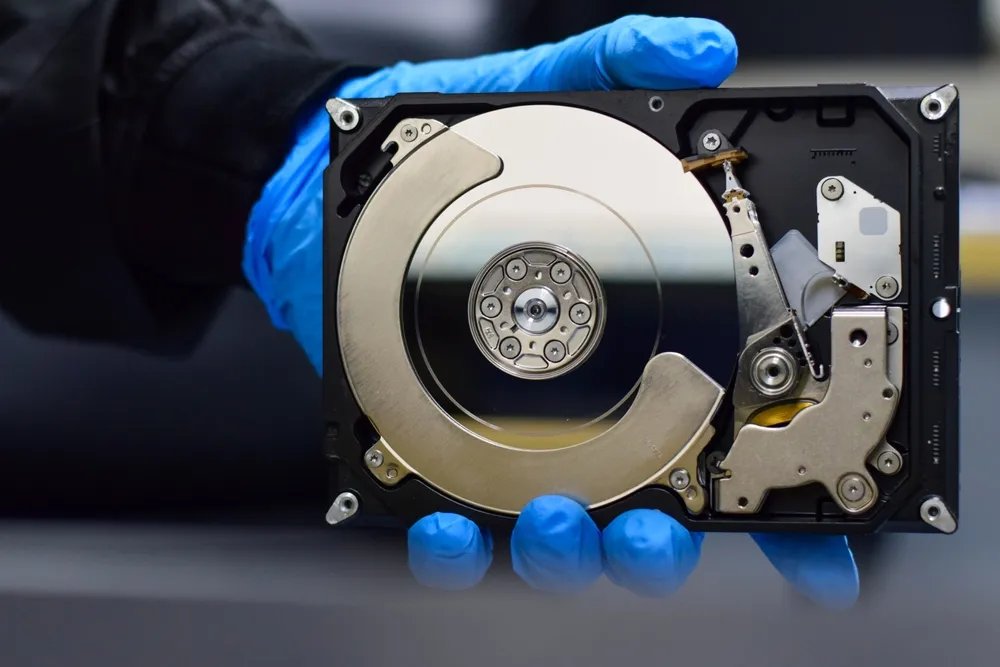
Start with your own inventory
Record the device or media type, count and any serial or asset identifiers your organisation needs to reconcile. Identify the owner or department authorising disposal. For an unlabelled drive or a failed device, use a temporary reference and make sure it remains visible as an exception rather than silently disappearing from the batch.
Separate collection from completion
A collection receipt can confirm what was handed over and when. A later completion record should describe what was processed, the method where relevant and the date of that work. Ask whether the provider's records identify individual assets or only the batch, and choose the level your policy requires. If erasure fails, agree how that outcome will be reported and how the item will be handled next.
Match the records back to the decision
Compare the provider's identifiers and counts with your release list. Investigate missing items and differences between what was planned, collected and processed. Keep the approval, transfer record and completion evidence together according to your retention policy. The ICO's asset management toolkit lists destruction logs and certificates as examples of records showing secure disposal.
Our SSD destruction and data erasure pages explain how the requested method may differ by asset. Tell us what evidence you need when you ask for a quote; we will confirm what can be provided for the proposed service.
Further reading: ICO asset management guidance.
Planning a data clearance?
Send your material, quantity and postcode, along with the records your organisation needs. We will confirm the available options for your job.